Being told that a tooth may need to come out can feel like the end of the story. It is not. The real goal is to control pain or infection, preserve surrounding structures, and make a thoughtful plan for the space.
Dental Wellness Arts first asks whether the tooth can be kept safely and predictably. When extraction is the right choice, we plan the procedure and the next stage of care together.
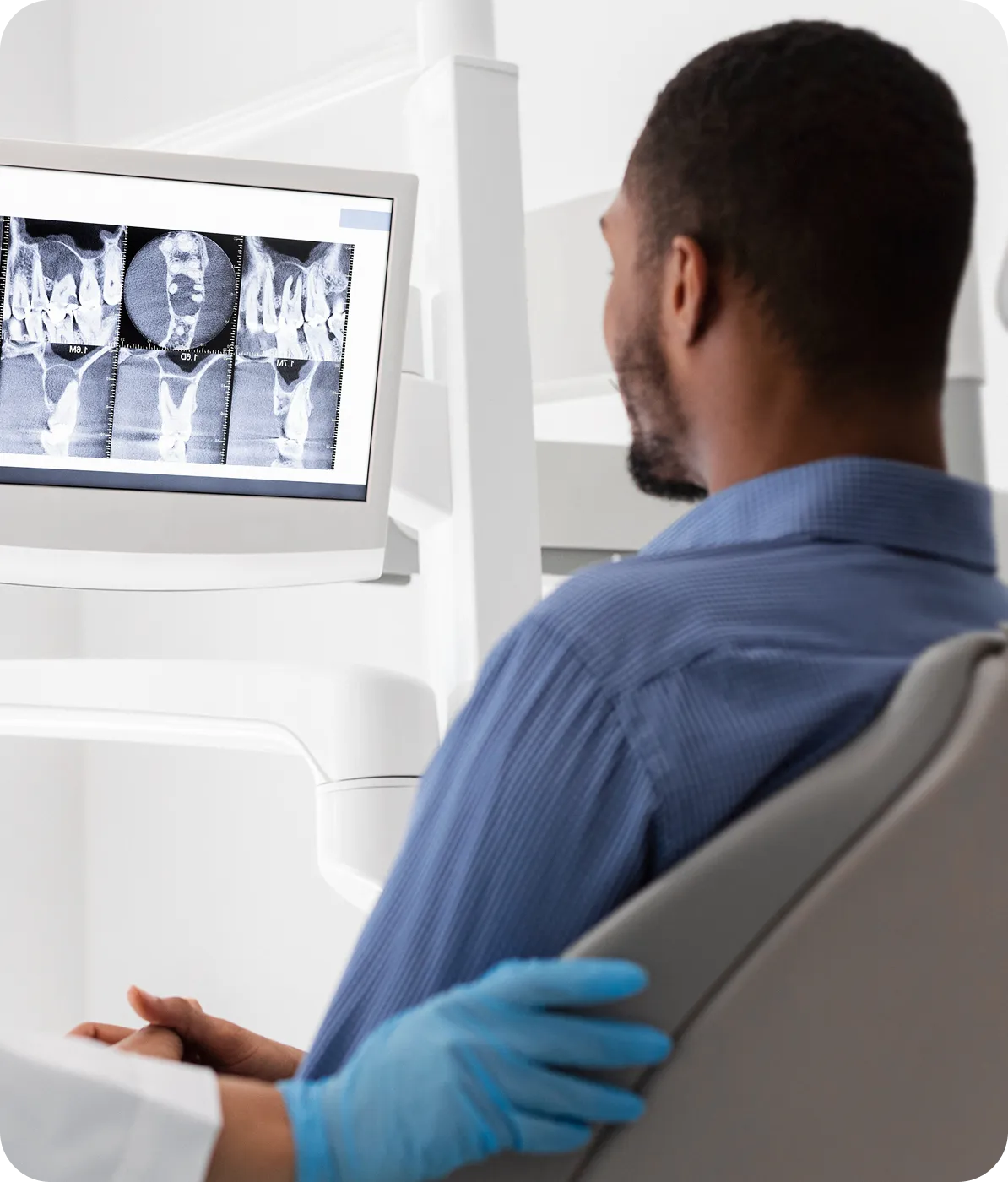

Extraction is considered when a tooth cannot be predictably restored, is fractured beyond repair, has severe periodontal support loss, causes recurrent infection, or must be removed for a larger treatment plan. The diagnosis should be clear before treatment begins.

A visible tooth with accessible roots may be removed with a simple extraction. A broken, impacted, unusually shaped, or firmly anchored tooth may require a surgical approach, sectioning, or limited bone removal. Imaging helps us choose the safest route.

The procedure is designed to limit unnecessary trauma and preserve useful bone and gum tissue. Depending on the case, piezosurgery may be selected when it adds a clinical benefit.
Possible complications include dry socket, infection, bleeding, sinus involvement, nerve injury, delayed healing, and damage to neighboring teeth. Your consent and aftercare instructions address the risks that apply to you.

Review the diagnosis, tooth-saving alternatives, extraction risks, and urgency.
Use the technique suited to the roots, bone, infection, and future restorative plan.
Plan an implant, bridge, removable option, orthodontic space closure, or no replacement when appropriate.
Success means pain or infection is controlled, healing is on track, and you understand what happens next. Delaying urgent infection can create greater risk; removing a restorable tooth too soon can sacrifice an option worth keeping.
Our approach is to save a tooth when it can serve you predictably and remove it carefully when it cannot. Dr. Boyajian and the Dental Wellness Arts team consider the immediate problem, your health, the bone and gums, and the future restoration so extraction becomes part of a complete plan - not an isolated procedure.


We evaluate remaining tooth structure, cracks, infection, bone support, prior treatment, and the predictability and cost of restoration.
Many extractions use local anesthetic. Sedation options depend on the procedure, your health, and what the practice provides.
It is a painful delay in socket healing, more common after lower molar removal and with smoking. Call us if pain sharply worsens after a few days.
Not always. It depends on the site, infection, bone shape, and whether an implant or other restoration is planned.
Facial swelling, fever, difficulty swallowing or breathing, eye involvement, or rapid worsening requires urgent medical or dental attention.
If you have severe swelling, fever, trouble swallowing or breathing, or rapidly increasing pain, seek urgent care now. Otherwise, request an appointment to compare tooth-saving and extraction options.

Advanced Regenerative Dentistry
Westchester's trusted holistic dental practice. Caring for smiles and whole-body health since 2005.


Monday
7am – 3:30pm
Tuesday
7am – 3:30pm
Wednesday
7am – 3:30pm
Thursday
7am – 3:30pm
Friday – Sun
Closed
©2026 All Rights Reserved. Design & Development by Jamie Danae | Sitemap | Privacy Policy | The information available on this website is provided for informational purposes only. This information is not intended to replace a medical consultation where a physician’s judgment may advise you about specific disorders, conditions, and/or treatment options. We hope the information will be useful for you to become more educated about your health care decisions. If you are vision-impaired or have some other impairment covered by the Americans with Disabilities Act or a similar law, and you wish to discuss potential accommodations related to using this website, please contact us at 310-670-6944.