Receding gums and periodontal disease are often discussed together, but they are not the same problem. Gum recession exposes the root surface and may affect sensitivity or appearance. Periodontitis is an inflammatory disease that damages the support around teeth. The correct treatment begins by identifying which condition is present and why. Dental Wellness Arts evaluates gum position, periodontal measurements, bone levels, bite forces, tooth position, hygiene access, and health risks before recommending a procedure.
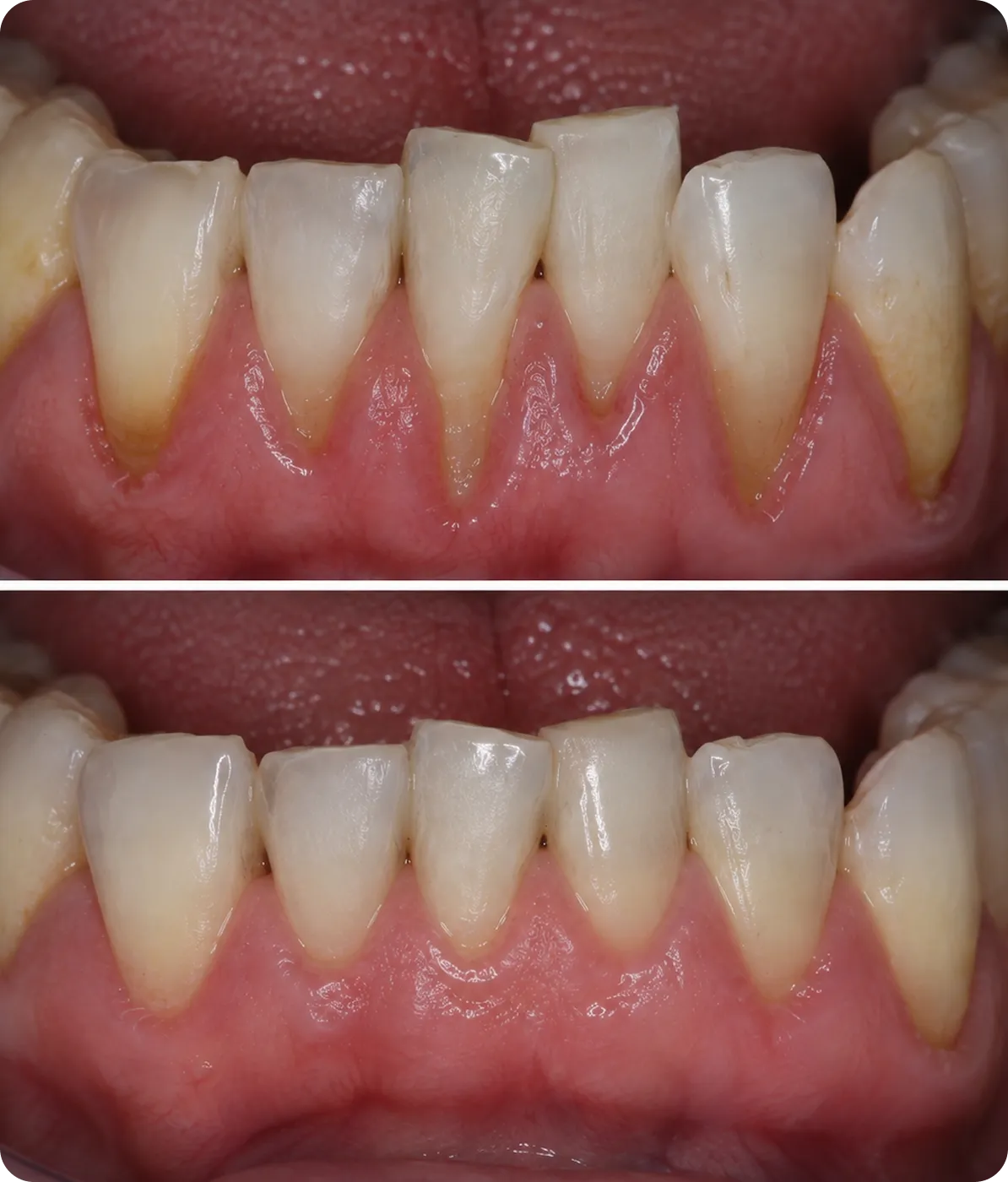
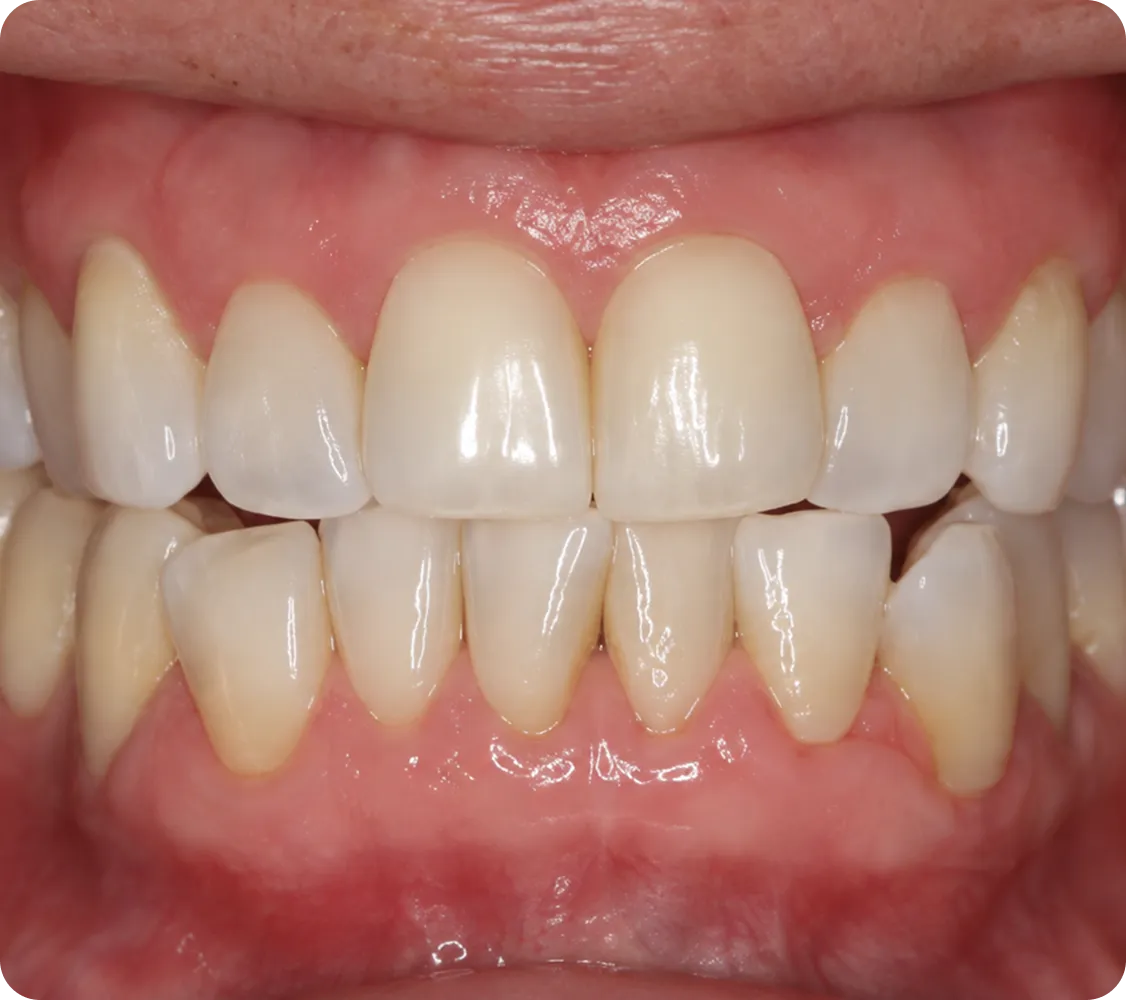
Pinhole Gum Rejuvenation is a minimally invasive approach used to reposition gum tissue over selected recession defects without a traditional donor-site graft. Laser periodontal care uses dental laser energy as one possible part of gum-disease treatment. They address different problems and are not interchangeable.

Pinhole treatment may be discussed for selected areas of recession when there is enough healthy tissue, inflammation is controlled, and the anatomy supports predictable movement. It may be attractive when several neighboring teeth need treatment or when a patient wants to avoid harvesting tissue from the palate.
It is not the best choice for every recession defect. Thin tissue, severe bone loss, active gum disease, smoking, uncontrolled diabetes, aggressive brushing, tooth position, orthodontic movement, clenching, or frenum pull can influence the plan. A connective-tissue graft, restorative coverage, orthodontics, monitoring, or combined care may be more appropriate.

Periodontal treatment still depends on an accurate diagnosis, thorough disruption of bacterial deposits, risk-factor control, and maintenance. A dental laser may be used in selected cases as an adjunct to non-surgical or surgical periodontal treatment. Wavelength, settings, technique, diagnosis, and operator training all matter. The name of the laser does not by itself establish a better result.
LANAP is a specific branded laser protocol with its own training, equipment, and treatment steps. Not every laser gum procedure is LANAP.

Measure recession, pockets, bleeding, tissue thickness, tooth mobility, bone levels, bite forces, and hygiene challenges.
Discuss Pinhole treatment, grafting, scaling and root planing, laser-supported periodontal care, surgery, orthodontics, restoration, or monitoring as applicable.
Control inflammation and harmful habits, follow home-care instructions, attend maintenance visits, and monitor the treated sites.
For recession, success may mean improved root coverage, reduced sensitivity, healthier tissue contours, and easier cleaning, with the understanding that complete coverage is not guaranteed. For periodontitis, success means reduced inflammation, shallower or more maintainable pockets, stable support, and an effective maintenance plan. These treatments should not be described as regrowing all lost gum or bone.
Dr. Boyajian and the Dental Wellness Arts team look beyond a procedure name. They identify whether the main problem is recession, active periodontal disease, tooth position, bite stress, tissue quality, or a combination, then explain the trade-offs of the available treatments.


No. Both may be used to address recession, but the technique, tissue source, indications, and expected coverage differ.
It is primarily a recession treatment. Active periodontal disease must be diagnosed and controlled.
Usually not. Laser use is commonly an adjunct to established periodontal treatment and maintenance.
No. LANAP is a particular branded protocol with specific training and equipment requirements.
Some procedures can improve coverage in selected sites, but the result depends on anatomy, disease control, habits, and healing.
Bring any recent periodontal charting or imaging. The Dental Wellness Arts team will determine whether recession care, periodontal disease treatment, or a combined plan best fits your gums.

Advanced Regenerative Dentistry
Westchester's trusted holistic dental practice. Caring for smiles and whole-body health since 2005.


Monday
7am – 3:30pm
Tuesday
7am – 3:30pm
Wednesday
7am – 3:30pm
Thursday
7am – 3:30pm
Friday – Sun
Closed
©2026 All Rights Reserved. Design & Development by Jamie Danae | Sitemap | Privacy Policy | The information available on this website is provided for informational purposes only. This information is not intended to replace a medical consultation where a physician’s judgment may advise you about specific disorders, conditions, and/or treatment options. We hope the information will be useful for you to become more educated about your health care decisions. If you are vision-impaired or have some other impairment covered by the Americans with Disabilities Act or a similar law, and you wish to discuss potential accommodations related to using this website, please contact us at 310-670-6944.