Loose dentures can make eating, speaking, and social situations feel unpredictable. Dental implants can add meaningful stability, but the number of implants, restoration design, maintenance, materials, and long-term risks all deserve careful thought.
Dental Wellness Arts helps you compare implant-supported dentures with conventional options and understand where titanium or zirconia implants may fit your priorities.
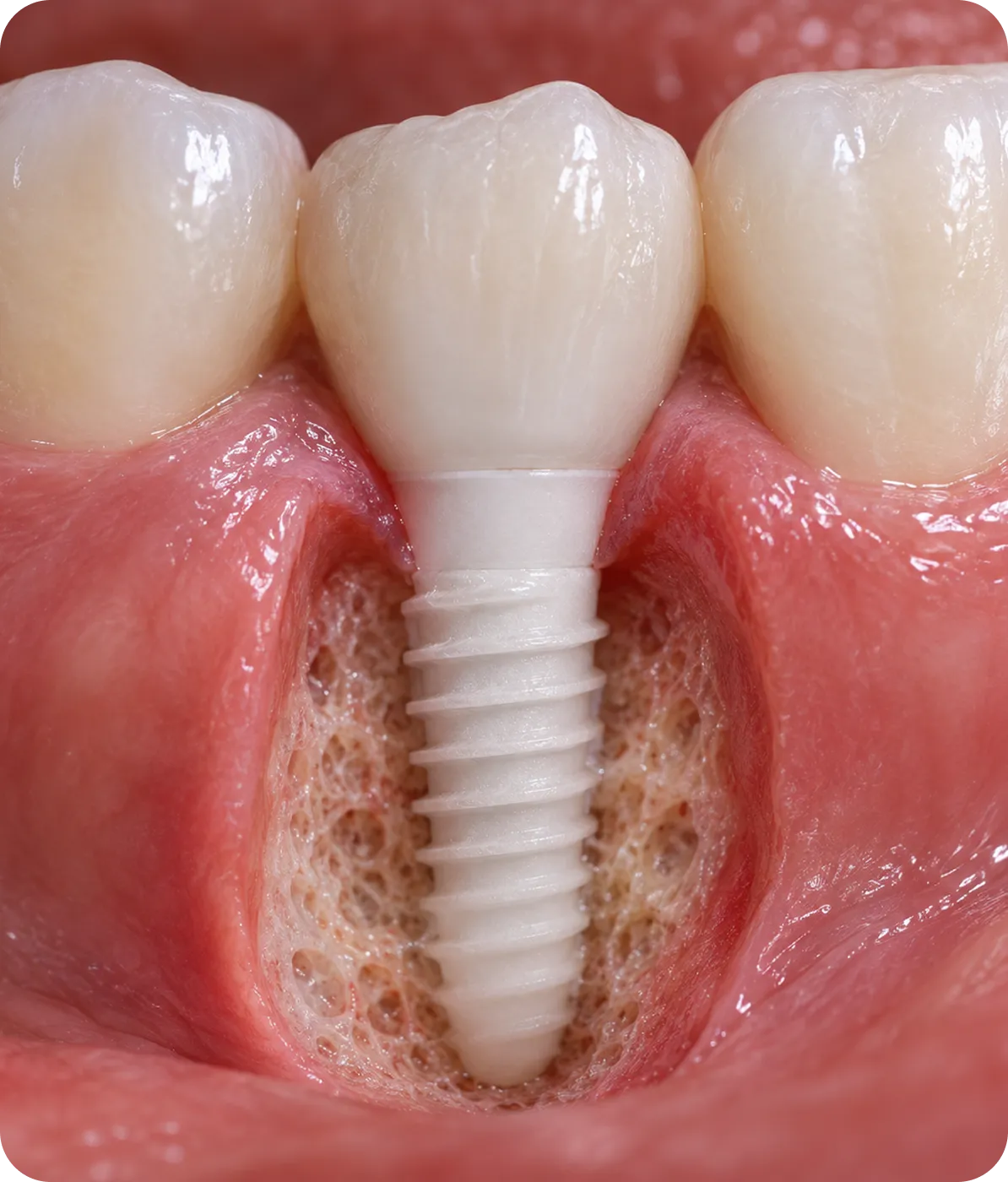
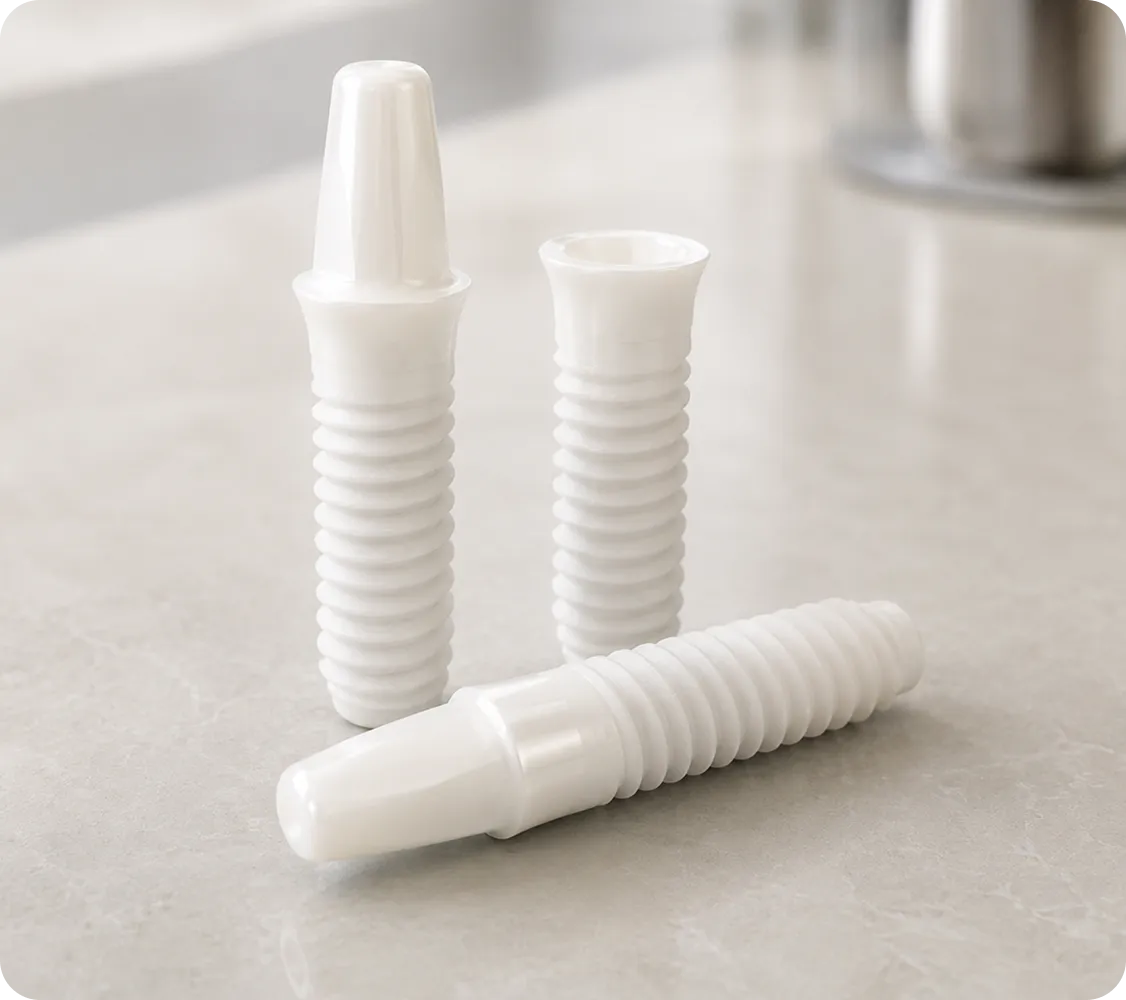
Implant-supported dentures can be removable or fixed and are usually more stable than conventional dentures. Zirconia offers a metal-free implant option. Titanium has broader component choices and a longer, larger evidence base. Neither material is automatically best for every patient.

There are two main implant-supported denture designs:
•Removable overdenture: Attaches to implants for added stability and can be taken out at home for cleaning.
•Fixed full-arch restoration: Stays attached and is removed only by the dental team for professional maintenance.
Bone volume, smile design, lip support, dexterity, hygiene access, repairability, and budget shape the recommendation.

Titanium implants have extensive long-term data and flexible restorative components. Zirconia can meet a preference for a metal-free implant body, but may offer fewer component and angulation options in complex cases.
True titanium allergy appears uncommon, and no single screening test predicts every reaction. If you have a documented material reaction, we review the history and coordinate testing or medical input when useful. We avoid promising that any material will eliminate systemic symptoms.

Review health, bone, gums, bite, smile goals, dexterity, and existing prostheses.
Compare removable and fixed plans, implant number and location, materials, risks, timeline, and fees.
Protect the implants with daily cleaning, professional maintenance, and monitoring for inflammation or mechanical wear.
Success means greater stability, comfortable function, cleanable design, and a plan you can maintain. Implant complications can include infection, bone loss, component wear, fracture, and loss of integration, so long-term care is part of the treatment.
Dr. Boyajian and the Dental Wellness Arts team combine 3D planning, restorative and bite analysis, material choice, and whole-health risk review to build a stable, cleansable, repairable solution that fits your anatomy, health, and preferences. We plan around what your mouth and daily routine need - not around how many implants a case can support.


Some are fixed and some are removable. The design should match your anatomy, hygiene ability, priorities, and budget.
The implant body can be zirconia, but every restorative component and material in the finished treatment must be reviewed before making that claim.
Not universally. Each material has advantages, limitations, and case-selection requirements.
Sometimes. Infection, bone, stability, bite, and health factors determine whether immediate placement and loading are appropriate.
Implants and restorations can serve for many years, but maintenance, repairs, relines, or component replacement may be needed.
Start with a planning visit to compare fixed, removable, titanium, and zirconia options before deciding which tradeoffs feel right to you.

Advanced Regenerative Dentistry
Westchester's trusted holistic dental practice. Caring for smiles and whole-body health since 2005.


Monday
7am – 3:30pm
Tuesday
7am – 3:30pm
Wednesday
7am – 3:30pm
Thursday
7am – 3:30pm
Friday – Sun
Closed
©2026 All Rights Reserved. Design & Development by Jamie Danae | Sitemap | Privacy Policy | The information available on this website is provided for informational purposes only. This information is not intended to replace a medical consultation where a physician’s judgment may advise you about specific disorders, conditions, and/or treatment options. We hope the information will be useful for you to become more educated about your health care decisions. If you are vision-impaired or have some other impairment covered by the Americans with Disabilities Act or a similar law, and you wish to discuss potential accommodations related to using this website, please contact us at 310-670-6944.