A cracked, leaking, painful, or heavily restored amalgam filling may need attention. The first step is to determine whether the tooth needs treatment and which replacement will protect it best.
Dental Wellness Arts evaluates whether the filling truly needs replacement and uses exposure-control measures when removal is clinically appropriate.
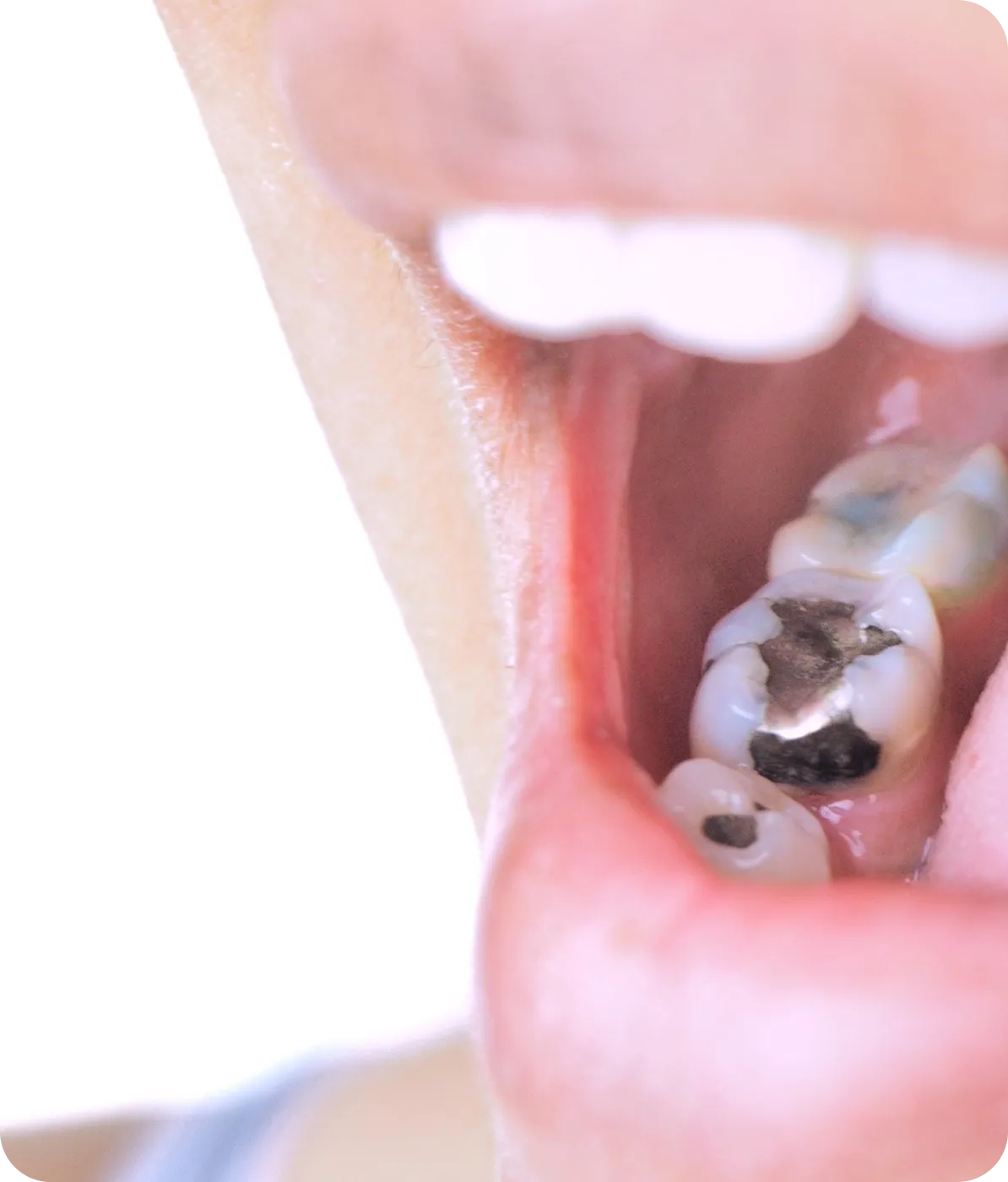
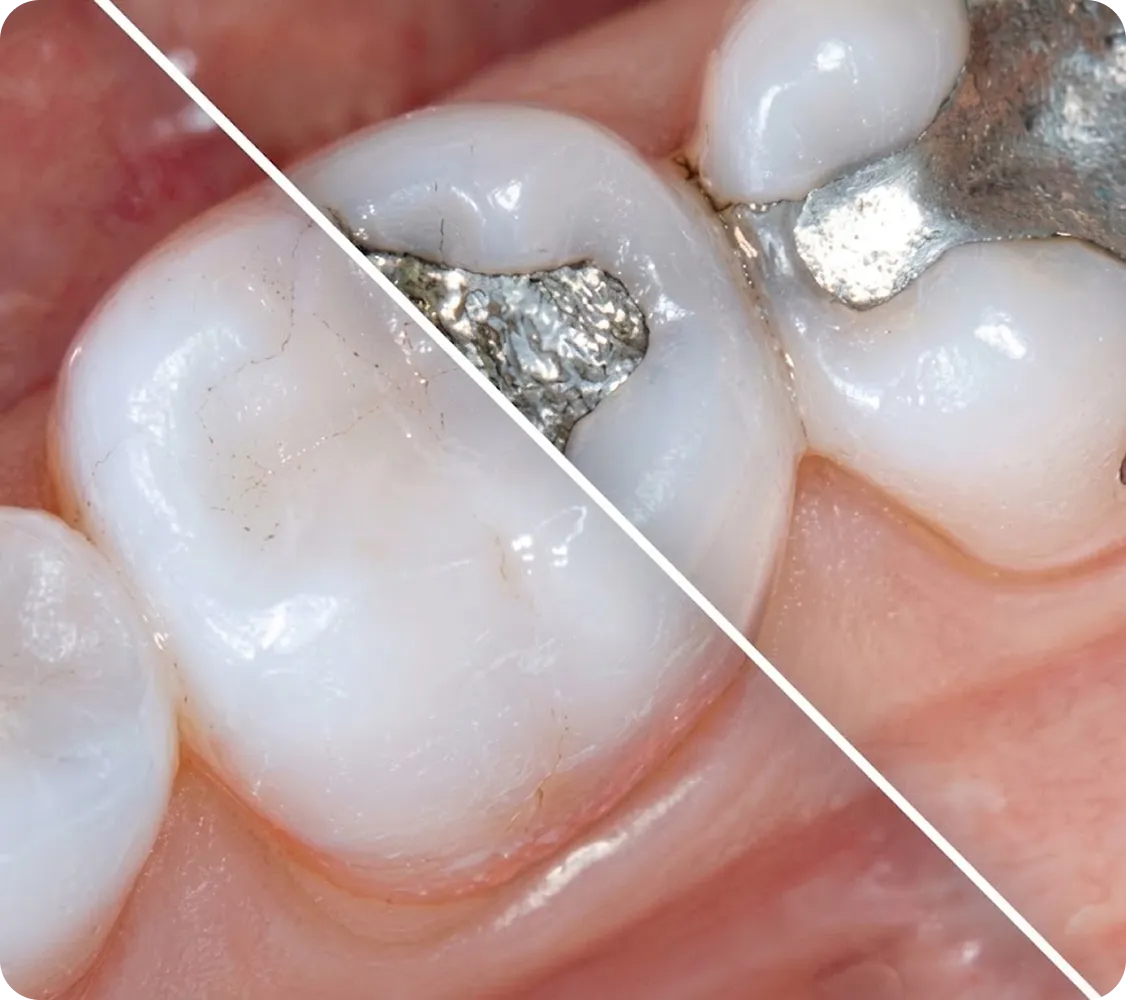
An intact, serviceable amalgam filling does not automatically need to be removed. Replacement may be appropriate when there is recurrent decay, fracture, poor margins, symptoms, material intolerance, or a well-informed restorative reason. Removing sound tooth structure also carries risk.

We look for cracks, decay, loss of seal, weakened cusps, pain, bite problems, and the amount of healthy tooth remaining. Imaging and photographs help you see the concern. If the filling is stable, monitoring can be the safest option.

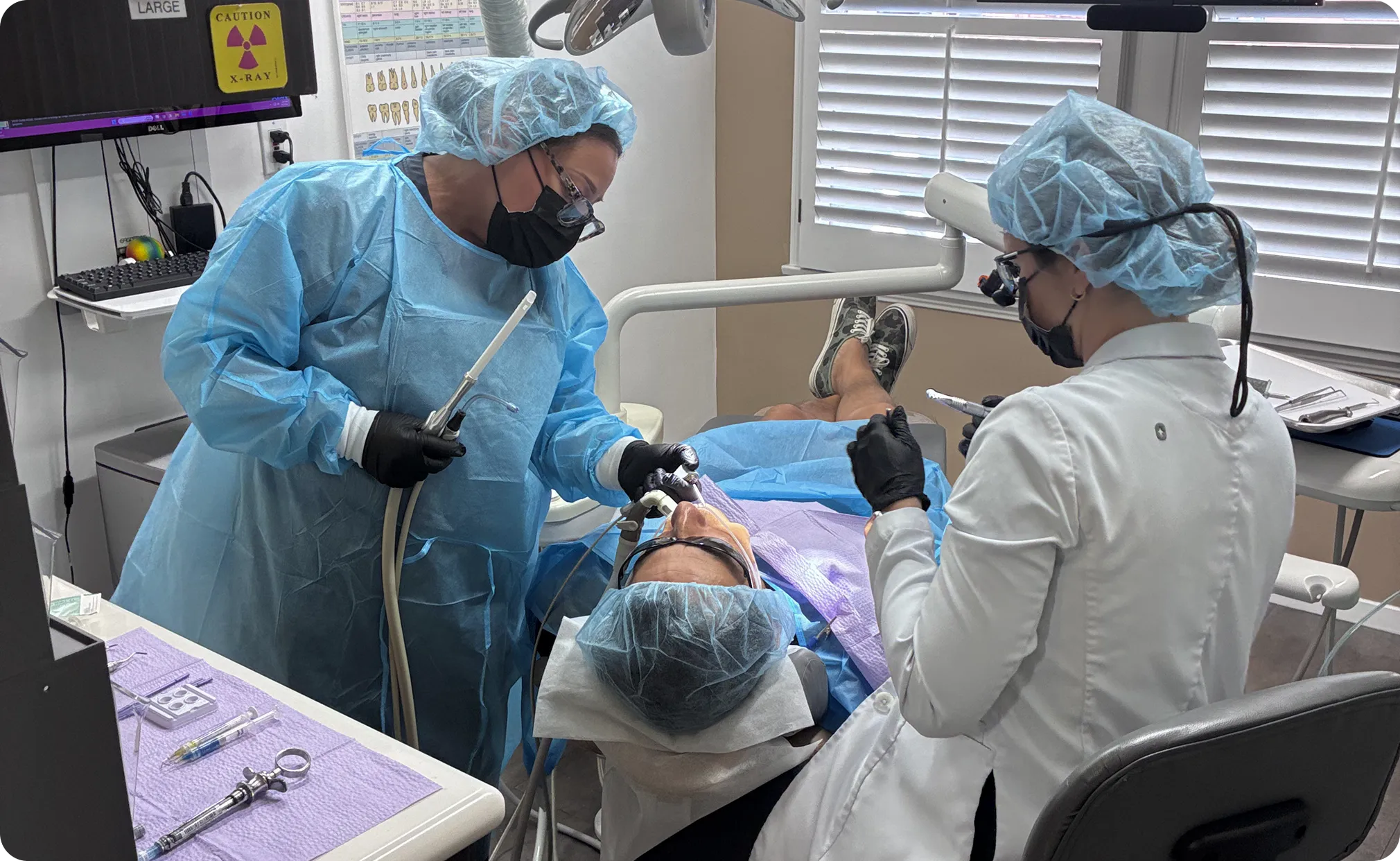
When removal is selected, the plan may include isolation, high-volume suction, external air filtration, copious water, sectioning the filling into larger pieces, and appropriate protective barriers. The exact protocol should be explained before treatment.
The replacement may be a bonded composite, ceramic inlay or onlay, or crown, depending on the size of the defect, bite forces, aesthetic goals, and remaining tooth structure.

We document why the filling should be replaced or why monitoring is reasonable.
We reduce exposure during removal and preserve as much healthy tooth as possible.
We evaluate the bite, sensitivity, and restoration at follow-up and routine care.
Success means a compromised restoration is replaced safely, the tooth is protected, and the new material fits your clinical needs and preferences. Unnecessary removal can weaken a tooth; necessary treatment delayed too long can allow cracks or decay to advance.
The Dental Wellness Arts team listens first, examines the tooth, and gives you an honest recommendation, whether that means monitoring or a full removal protocol. Dr. Boyajian and the team combine a biological-material perspective with conservative restorative planning, exposure controls, and metal-free options where appropriate. The decision is made tooth by tooth, around your preferences and long-term tooth strength.


No. The condition of the filling and tooth should drive the decision.
No dental procedure can promise a whole-body detoxification result. The purpose is to treat the tooth while reducing avoidable exposure.
Options include composite, ceramic, or a crown. The best choice depends on defect size, bite, appearance, and tooth strength.
Elective removal is often deferred. Discuss timing with both your dentist and prenatal medical provider.
Temporary sensitivity can occur. Deep decay, cracks, or nerve inflammation may require additional treatment.
If you are unsure whether removal is necessary, begin with an exam and photographs. A clear diagnosis should come before a replacement decision.

Advanced Regenerative Dentistry
Westchester's trusted holistic dental practice. Caring for smiles and whole-body health since 2005.


Monday
7am – 3:30pm
Tuesday
7am – 3:30pm
Wednesday
7am – 3:30pm
Thursday
7am – 3:30pm
Friday – Sun
Closed
©2026 All Rights Reserved. Design & Development by Jamie Danae | Sitemap | Privacy Policy | The information available on this website is provided for informational purposes only. This information is not intended to replace a medical consultation where a physician’s judgment may advise you about specific disorders, conditions, and/or treatment options. We hope the information will be useful for you to become more educated about your health care decisions. If you are vision-impaired or have some other impairment covered by the Americans with Disabilities Act or a similar law, and you wish to discuss potential accommodations related to using this website, please contact us at 310-670-6944.