A severe toothache, deep cavity, crack, or infection can make the next decision feel urgent and confusing. Some people want to save the natural tooth whenever possible. Others are concerned about prior root canal treatment or prefer to understand extraction and replacement. A careful diagnosis helps separate a treatable pulp problem from a tooth that cannot be restored predictably.
Dental Wellness Arts reviews the tooth, surrounding bone, bite, previous treatment, symptoms, and long-term restorative options before recommending a path.

Depending on the diagnosis, options may include monitoring, protective restorative care, vital pulp therapy, conventional root canal treatment, root canal retreatment, apical surgery, extraction with or without replacement, or specialist referral. No single option is right for every tooth.

Restorative protection or monitoring when the pulp is healthy or reversibly inflamed and the tooth can be sealed.
Vital pulp therapy in selected teeth when inflamed or exposed pulp can be treated while preserving living tissue.
Root canal treatment when the pulp is irreversibly inflamed or infected and the tooth is restorable.
Retreatment or apical surgery when a previously treated tooth has a correctable source of persistent disease.
Referral to an endodontist for diagnosis or treatment when specialist expertise may improve predictability.


The team considers how much healthy tooth remains, whether a crack extends below the gum or into the root, the severity and location of infection, periodontal support, bite forces, prior treatment, and whether the tooth can receive a durable final restoration. Three-dimensional imaging or an endodontic opinion may be useful when the diagnosis is uncertain.

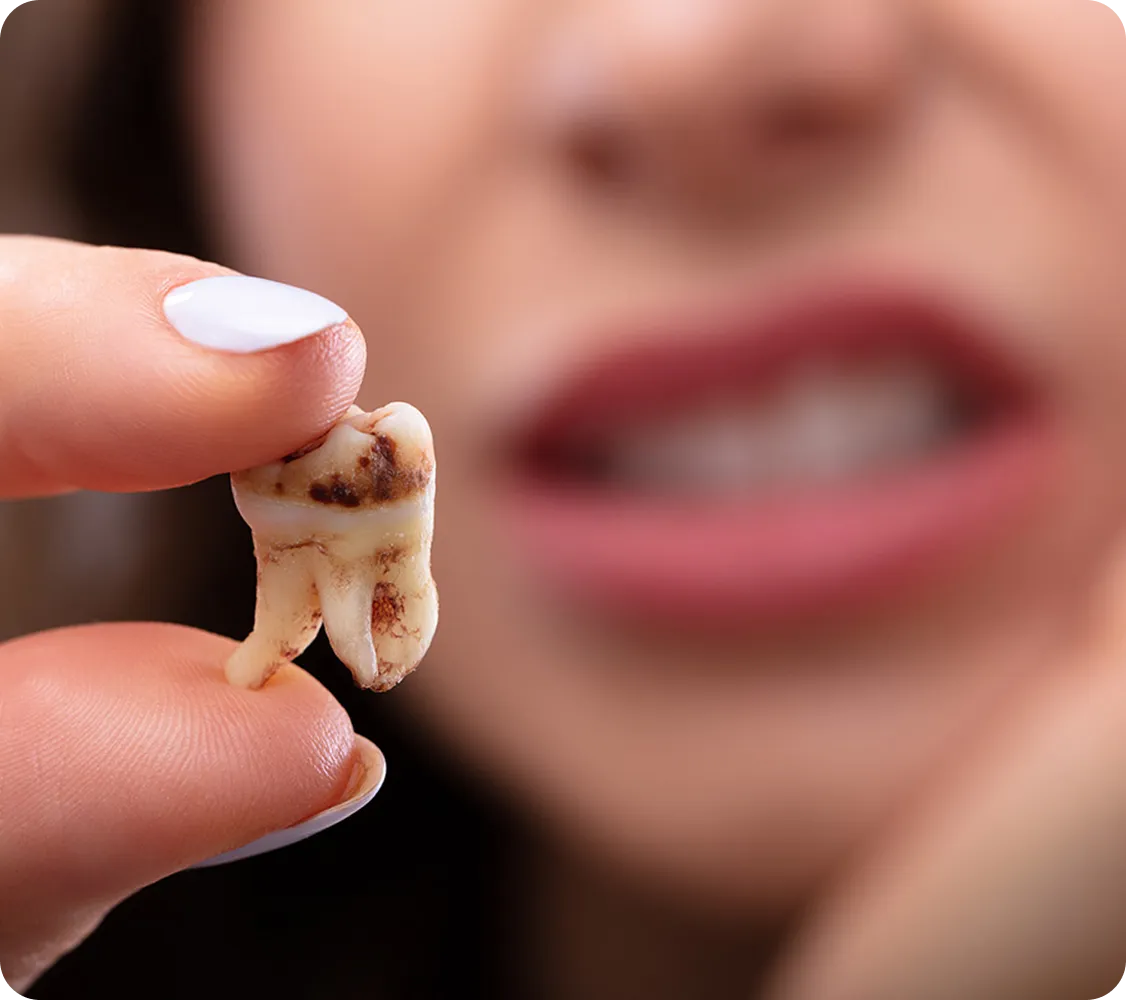
Extraction may be appropriate when a tooth is fractured beyond repair, structurally unrestorable, has severe support loss, or has persistent disease that cannot be managed predictably. Replacement may involve an implant, bridge, removable prosthesis, orthodontic space closure, or no replacement in selected situations. The consequences for bone, neighboring teeth, function, maintenance, cost, and treatment time should be discussed before removal whenever the situation is not urgent.
Current evidence does not support the claim that properly performed root canal treatment causes systemic disease. Decisions should be based on the condition and prognosis of the tooth, the patient's health and preferences, and the risks and benefits of each treatment.

Use examination, pulp testing, imaging, history, and referral when needed to identify the source of pain or infection.
Review tooth-saving care, endodontic options, extraction, replacement, timeline, risks, and costs.
Complete the chosen treatment, place the appropriate restoration, and monitor healing and function.
Success means pain or infection is controlled and the chosen result can be maintained. That may be a natural tooth serving comfortably after treatment, or a carefully planned extraction followed by healing and an appropriate replacement. The goal is not to defend one procedure. It is to choose the most predictable path for the individual tooth and patient.
Dr. Boyajian and the Dental Wellness Arts team combine a biological-material perspective with conservative restorative planning. They explain what is known, what remains uncertain, when a specialist opinion may help, and how today's decision affects the rest of the mouth.


No. Some teeth need endodontic treatment or extraction to control disease. The diagnosis and restorability determine the choices.
No. Extraction is surgery and creates a new restorative decision. Root canal treatment and extraction each have risks, benefits, and limitations.
Reliable evidence does not show that properly performed root canal treatment causes systemic disease. A treated tooth can still develop local problems and should be monitored.
Possible causes include persistent infection, a missed anatomy issue, fracture, bite stress, periodontal disease, or a non-dental source. Retreatment, apical surgery, extraction, or another diagnosis may need consideration.
When the situation is not urgent and the prognosis is uncertain, an endodontic or restorative second opinion can be valuable.
Bring recent imaging and records to compare tooth-saving, referral, and extraction options.

Advanced Regenerative Dentistry
Westchester's trusted holistic dental practice. Caring for smiles and whole-body health since 2005.


Monday
7am – 3:30pm
Tuesday
7am – 3:30pm
Wednesday
7am – 3:30pm
Thursday
7am – 3:30pm
Friday – Sun
Closed
©2026 All Rights Reserved. Design & Development by Jamie Danae | Sitemap | Privacy Policy | The information available on this website is provided for informational purposes only. This information is not intended to replace a medical consultation where a physician’s judgment may advise you about specific disorders, conditions, and/or treatment options. We hope the information will be useful for you to become more educated about your health care decisions. If you are vision-impaired or have some other impairment covered by the Americans with Disabilities Act or a similar law, and you wish to discuss potential accommodations related to using this website, please contact us at 310-670-6944.