Oral surgery may take place close to teeth, nerves, sinuses, blood vessels, and delicate soft tissue. The instrument is only one part of a safe plan. Diagnosis, imaging, access, anatomy, surgical experience, irrigation, and the final restorative goal all influence the choice.
Dental Wellness Arts may use piezosurgery for selected bone procedures when ultrasonic cutting offers a meaningful clinical advantage.
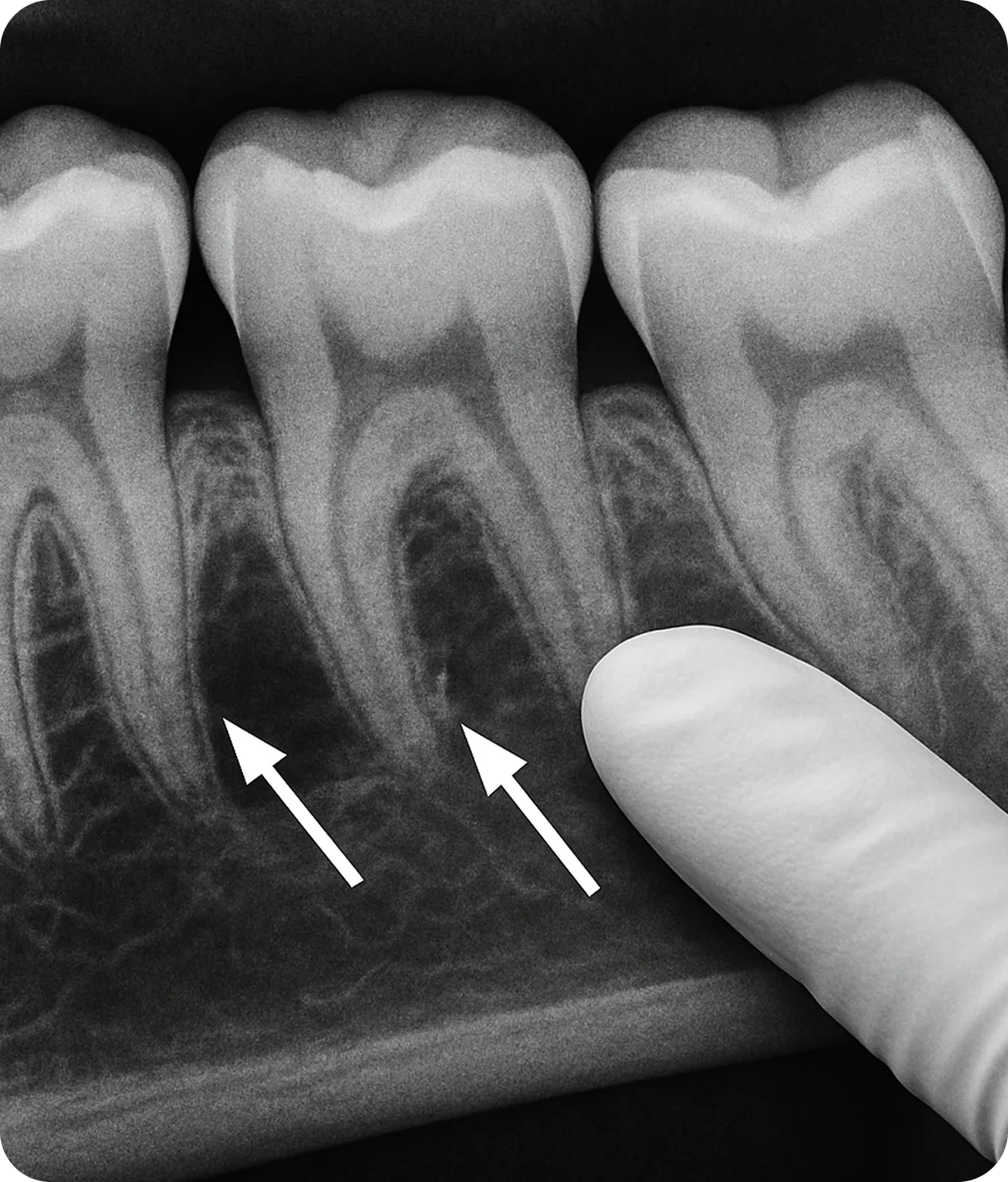

Piezosurgery uses ultrasonic micro-vibrations with irrigation to cut or reshape mineralized tissue. It can provide controlled bone work in selected procedures, but it is not automatically better, faster, or less invasive for every case.
The phrase degenerative bone disease of the jaw does not identify one single diagnosis. It may be used generally to describe an area of jawbone that appears abnormal, damaged, poorly healed, or otherwise compromised. Possible causes include prior infection or surgery, periodontal bone loss, medication-related disease, cystic or tumor-like change, osteonecrosis, a healing disturbance, or another local or systemic process. The specific diagnosis should guide treatment.
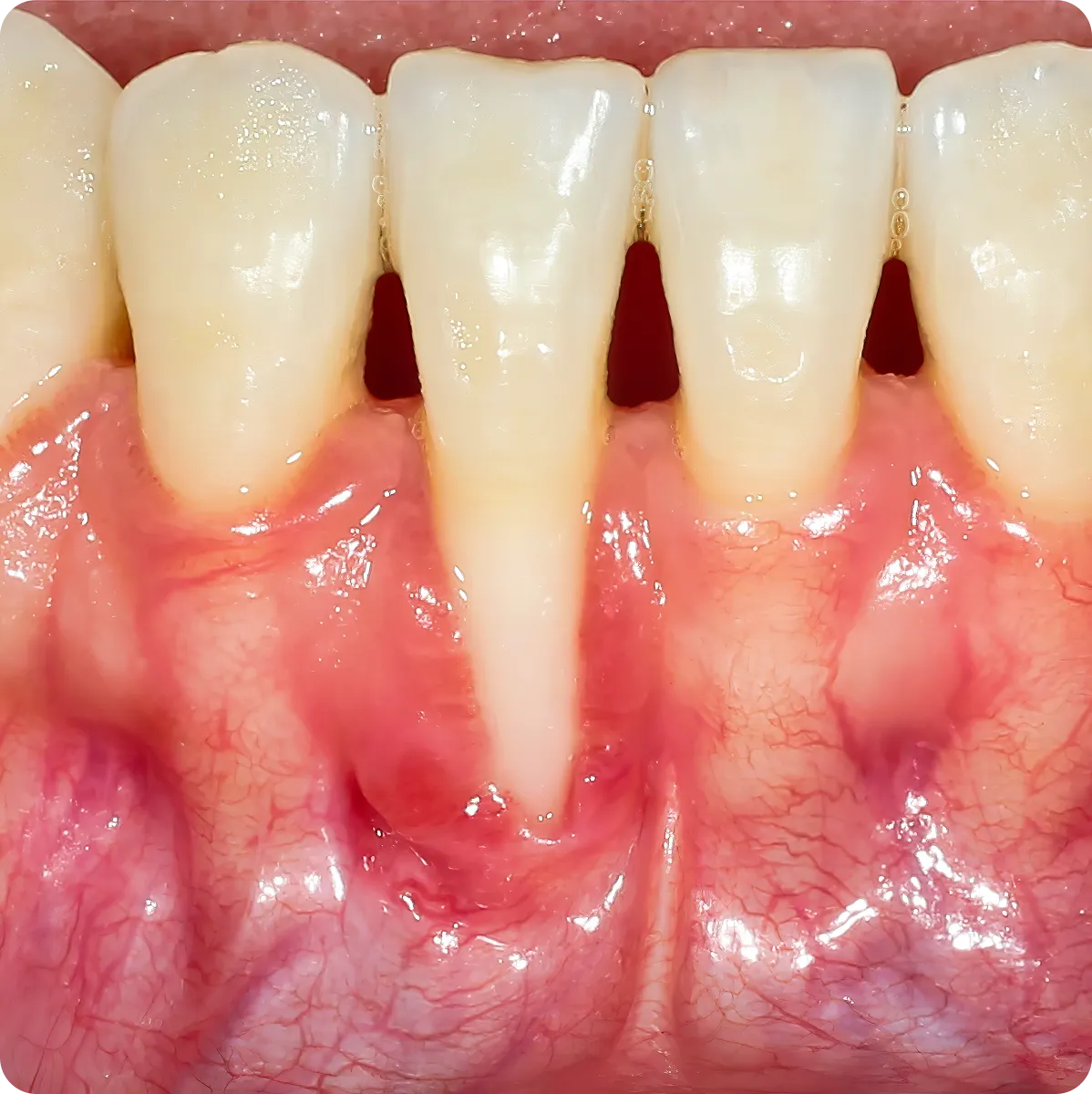

Possible uses include selected tooth extractions, implant-site preparation, ridge modification, bone grafting, sinus procedures, and access near delicate structures. Conventional instruments or a combined approach may be more efficient or appropriate in other cases. The team will explain which instrument is being used, why it fits the procedure, and what alternatives are available.

Evaluation may include history, symptoms, clinical examination, prior surgical records, two-dimensional or three-dimensional imaging, comparison over time, and referral for oral surgery, radiology, pathology, or medical input. A suspicious or persistent lesion may require biopsy or specialist management. Treatment should follow the diagnosis, not the label.

Identify the tooth or bone condition, symptoms, anatomy, alternatives, and what the procedure is intended to accomplish.
Explain whether piezosurgery, conventional instruments, referral, biopsy, observation, or a combined technique best fits the case.
Provide procedure-specific aftercare, warning signs, follow-up, imaging, and restorative planning.
Success means the necessary surgery is completed with an approach matched to the anatomy, the diagnosis is clarified when needed, healing is monitored, and the next restorative or medical step is understood. Piezosurgery cannot guarantee faster healing, bone regeneration, or protection from every surgical complication.
Dr. Boyajian and the Dental Wellness Arts team combine imaging, minimally invasive planning, material awareness, and restorative goals. The team uses technology when it serves the clinical objective and chooses referral or a simpler method when that is more appropriate.


No. It uses an ultrasonically vibrating surgical tip with irrigation.
No. It is selected when the anatomy and surgical objective justify it.
No. Recovery depends on the entire procedure, diagnosis, anatomy, health factors, and aftercare.
It is not one single diagnosis. The term can describe an abnormal or compromised area of jawbone, but examination, imaging, and sometimes specialist or pathology review are needed to determine the specific cause.
No. Some findings are monitored or referred. Surgery, biopsy, or treatment depends on symptoms, imaging, diagnosis, and risk.
Bring prior imaging, surgical records, pathology reports, and a symptom timeline. The team will explain the diagnosis, options, instrument choice, and whether specialist referral is appropriate.

Advanced Regenerative Dentistry
Westchester's trusted holistic dental practice. Caring for smiles and whole-body health since 2005.


Monday
7am – 3:30pm
Tuesday
7am – 3:30pm
Wednesday
7am – 3:30pm
Thursday
7am – 3:30pm
Friday – Sun
Closed
©2026 All Rights Reserved. Design & Development by Jamie Danae | Sitemap | Privacy Policy | The information available on this website is provided for informational purposes only. This information is not intended to replace a medical consultation where a physician’s judgment may advise you about specific disorders, conditions, and/or treatment options. We hope the information will be useful for you to become more educated about your health care decisions. If you are vision-impaired or have some other impairment covered by the Americans with Disabilities Act or a similar law, and you wish to discuss potential accommodations related to using this website, please contact us at 310-670-6944.