When a child snores, breathes through the mouth, sleeps restlessly, or
wakes tired, families often receive separate explanations for sleep,
allergies, behavior, and dental development. An airway-focused dental
evaluation helps connect those observations without assuming that one
symptom has one cause.
The Dental Wellness Arts team looks at oral development, breathing
patterns, sleep symptoms, bite, and jaw growth, then coordinates with
pediatric, ENT, orthodontic, allergy, or sleep professionals when medical
diagnosis or treatment is needed.

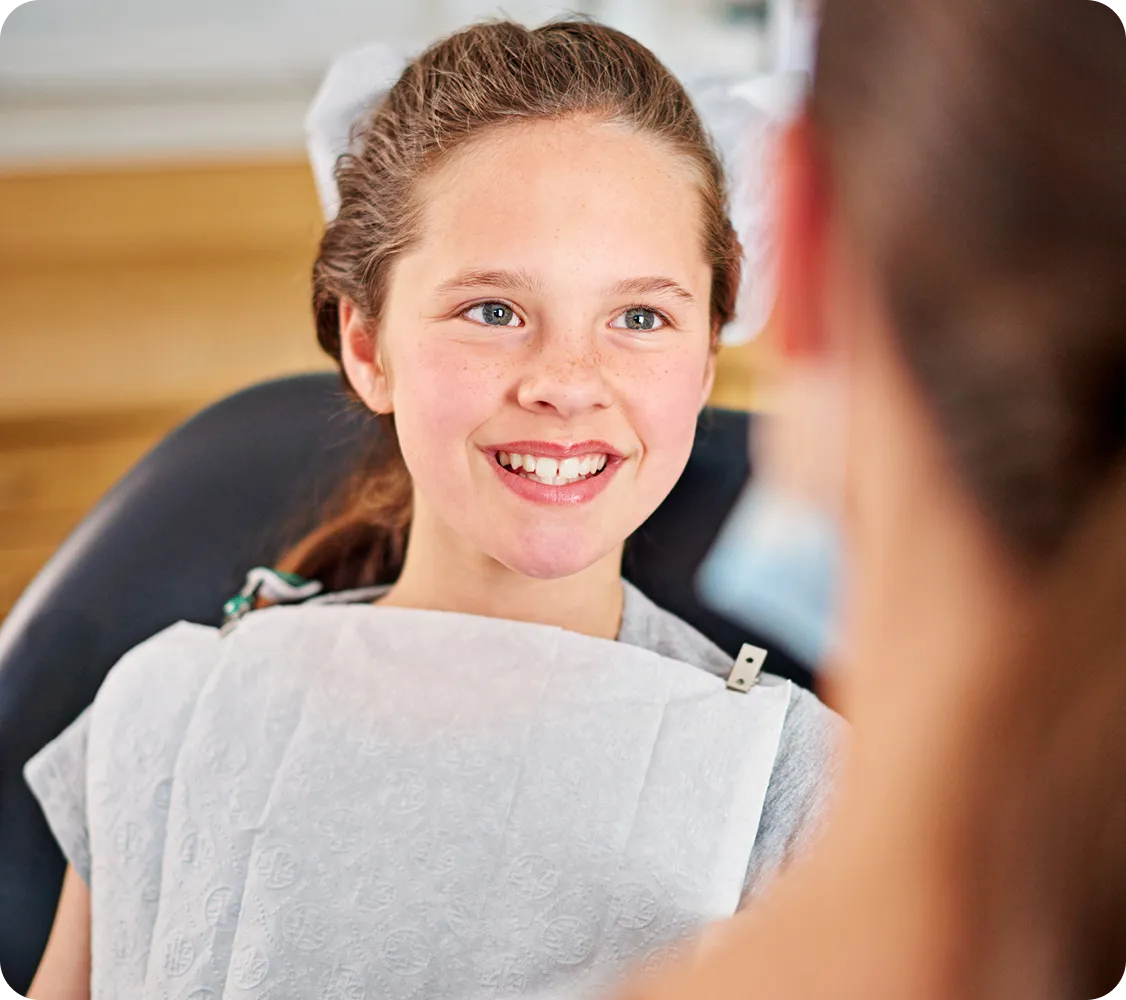
It is a dental assessment of oral and facial development that may identify signs associated with restricted nasal breathing or sleep-disordered breathing. It is a screening and planning visit, not a medical diagnosis of sleep apnea.

Frequent snoring, noisy breathing, pauses, gasping, or
restless sleep.
Habitual mouth breathing, chronic stuffiness, allergies, or
difficulty keeping the lips together.
Bedwetting beyond the expected age, morning headaches,
irritability, hyperactivity, or daytime sleepiness.
Dark under-eye circles, a narrow palate, crowded teeth,
crossbite, or concerns about jaw growth.
Grinding, unusual sleep positions, or repeated waking.
These signs do not prove that a child has an airway disorder.
Tonsils, adenoids, nasal obstruction, allergies, sleep habits,
weight, neuromuscular conditions, and other factors may
contribute. That is why screening and coordination matter.


Dental Wellness Arts currently recommends considering an airway-focused dental evaluation from about age five, when cooperation and dental development often allow a useful assessment. There is no single best age for every child. Younger children with frequent snoring, mouth breathing, pauses or gasping, growth concerns, or significant daytime symptoms should be discussed promptly with their pediatrician and other appropriate medical providers rather than waiting for a dental appliance.

HealthyStart is a system of oral appliances designed for selected children at particular stages of dental development. Depending on the child, an appliance may be discussed to support oral habits, arch development, tooth position, or jaw posture. It is not appropriate for every child, and it should not be presented as a guaranteed treatment for sleep apnea, behavior, bedwetting, allergies, or facial growth.

Review sleep and breathing symptoms, health history, oral habits, growth, bite, dental development, and any prior medical findings.
Refer or communicate with pediatric, ENT, allergy, orthodontic, myofunctional, or sleep providers when symptoms require medical evaluation.
If an appliance is appropriate, set a clear goal and monitor comfort, cooperation, bite, dental eruption, symptoms, and the need for follow-up testing.
Success is a clearer explanation of what is happening and a plan that fits the child's actual needs. It may mean medical treatment, allergy care, observation, oral-habit support, orthodontic guidance, an appliance, or a coordinated combination. Changes in symptoms, growth, and bite should be reviewed over time; no appliance can guarantee a particular facial or whole-health result.
Dr. Boyajian and the Dental Wellness Arts team bring an airway-aware dental perspective while respecting the medical boundaries of sleep and breathing care. Families receive a practical explanation of what the dental findings may mean, what remains uncertain, and which professional should guide the next step.
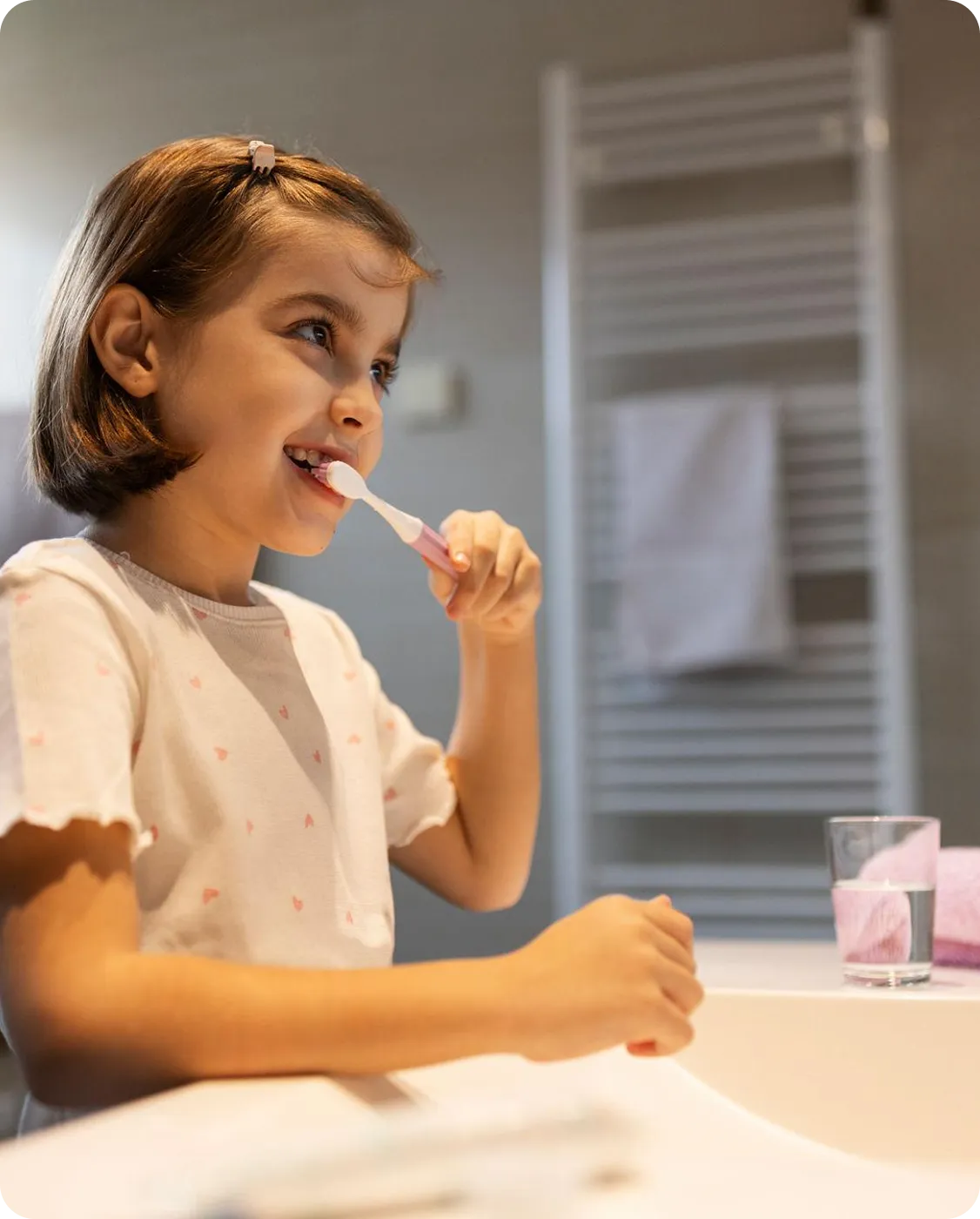

About age five is a useful practice starting point for many children, but symptoms matter more than a birthday. Younger children with concerning breathing or sleep signs should be discussed with their pediatrician or another appropriate medical provider.
No. Snoring can have several causes. Frequent snoring, pauses, gasping, or significant daytime effects deserve professional evaluation.
No. A dental appliance does not diagnose or rule out a medical sleep or airway condition.
It may influence oral development in selected cases, but future orthodontic needs cannot be guaranteed.
Tell the team. Comfort, cooperation, eruption, and fit must be monitored, and another path may be more appropriate.
Bring notes about sleep, breathing, allergies, behavior, bedwetting, and any prior pediatric, ENT, orthodontic, or sleep evaluations. The team will help you identify the most appropriate next step.

Advanced Regenerative Dentistry
Westchester's trusted holistic dental practice. Caring for smiles and whole-body health since 2005.


Monday
7am – 3:30pm
Tuesday
7am – 3:30pm
Wednesday
7am – 3:30pm
Thursday
7am – 3:30pm
Friday – Sun
Closed
©2026 All Rights Reserved. Design & Development by Jamie Danae | Sitemap | Privacy Policy | The information available on this website is provided for informational purposes only. This information is not intended to replace a medical consultation where a physician’s judgment may advise you about specific disorders, conditions, and/or treatment options. We hope the information will be useful for you to become more educated about your health care decisions. If you are vision-impaired or have some other impairment covered by the Americans with Disabilities Act or a similar law, and you wish to discuss potential accommodations related to using this website, please contact us at 310-670-6944.