Patients often ask whether a particular tooth is connected to an organ or health condition. Traditional and integrative systems use meridian maps to describe relationships among teeth, body regions, and broader patterns. These maps can be meaningful to some patients, but they should not be used to diagnose an organ disease from a tooth or to prove that a dental procedure will treat a medical condition.
Dental Wellness Arts can discuss tooth-body concerns while grounding the evaluation in dental examination, imaging, medical history, and appropriate medical care.
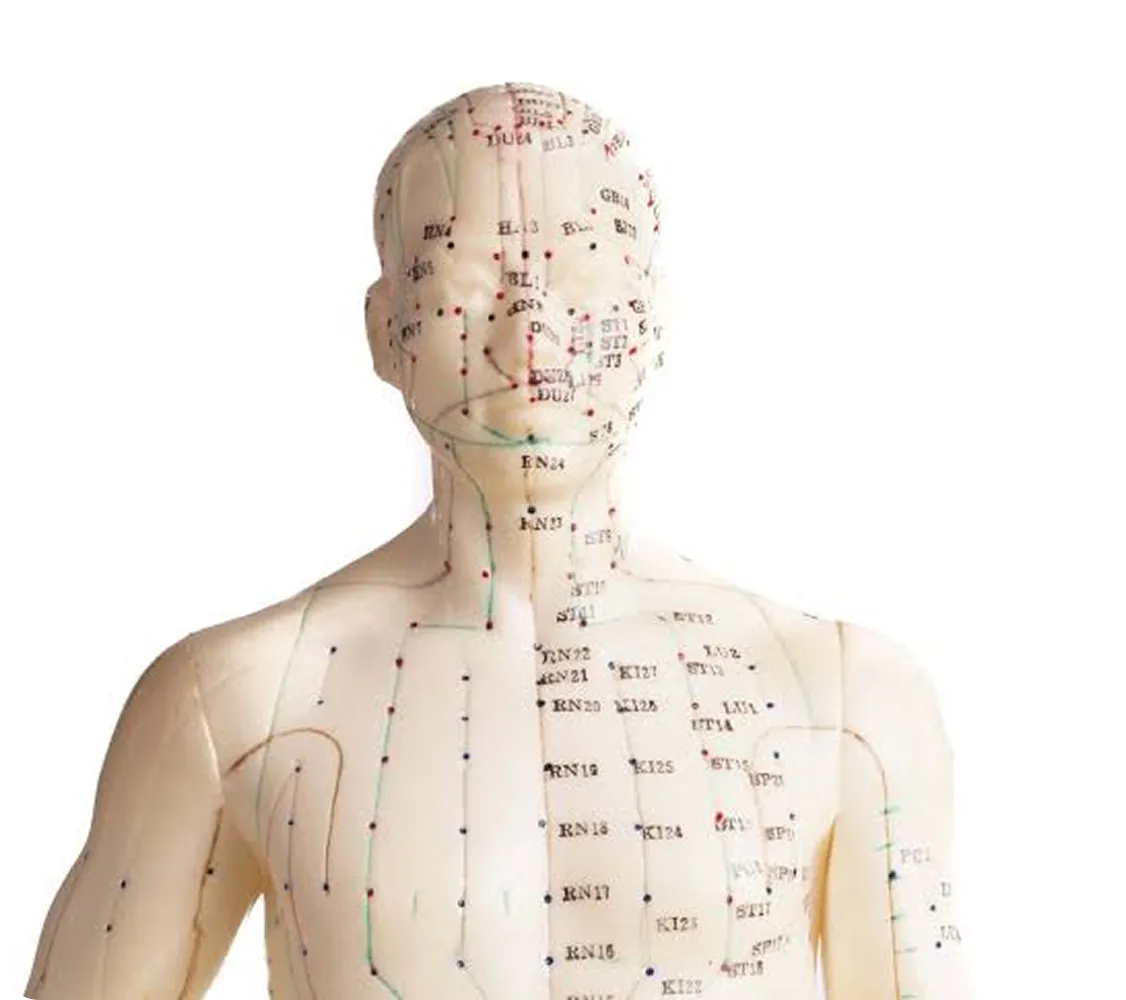
Dental meridian charts are traditional or integrative frameworks that associate teeth with pathways or body systems. They are not a validated stand-alone diagnostic test, and the scientific evidence has not established that each tooth predicts disease in a specific organ.

Oral and general health can influence each other through documented pathways. Examples include the effect of diabetes and smoking on periodontal disease, medication-related dry mouth, inflammation and infection, sleep and breathing disorders, nutrition, immune status, pain referral, and the impact of oral function on eating. These relationships are evaluated through standard clinical and medical methods.

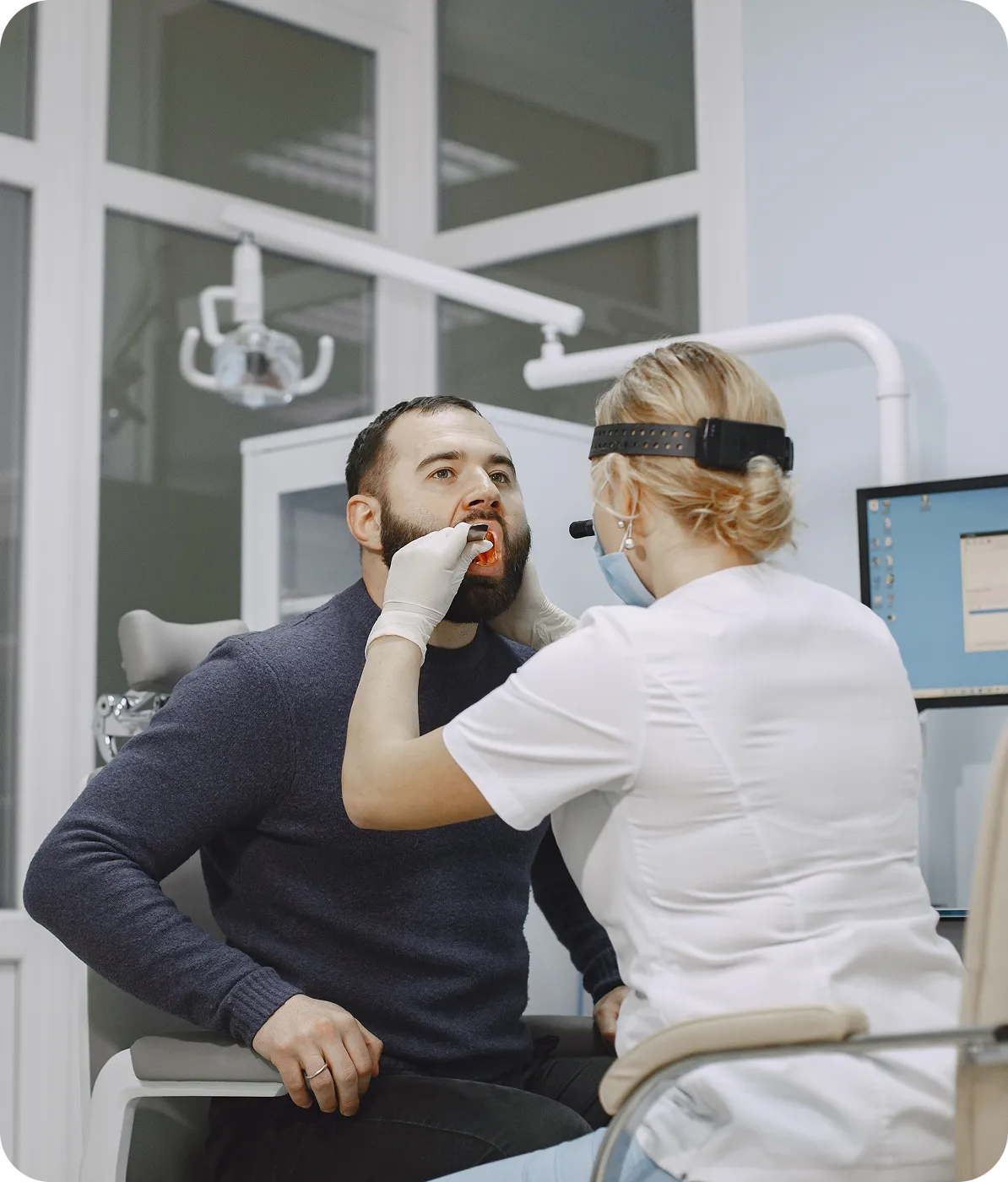
If a patient believes a tooth is related to a symptom elsewhere in the body, the team begins with the dental facts: decay, cracks, pulp vitality, gum health, bone, bite, prior treatment, materials, and imaging. The team can then listen to the patient's broader concerns and coordinate with an appropriate medical provider. A meridian chart may be discussed as context, but it does not replace examination, laboratory testing, imaging, or medical diagnosis.

Clarify the tooth, symptom, timeline, prior dental treatment, and medical evaluations already completed.
Use examination, imaging, pulp and bite testing, periodontal findings, and referral when needed.
Treat confirmed dental disease and involve the appropriate medical professional for non-dental symptoms or diagnoses.
Success is clarity. A confirmed dental problem receives appropriate treatment. A non-dental concern is not misattributed to a tooth, and medical evaluation is not delayed. The patient understands which findings are evidence-based, which ideas are traditional frameworks, and where uncertainty remains.
The Dental Wellness Arts team respects patients who want a broader view of health while keeping diagnostic boundaries clear. Dr. Boyajian and the team can explore materials, infection, inflammation, function, sleep, and health history without promising that a dental procedure will cure an unrelated medical condition.


Traditional charts propose those associations, but modern evidence does not establish a one-to-one diagnostic relationship.
No. It should not replace medical examination, testing, or imaging.
A dental infection can spread or contribute to inflammation and requires appropriate care. That is different from claiming that a tooth predicts a specific organ disease.
That outcome cannot be promised. Extraction should be based on a clear dental diagnosis and a discussion of alternatives and risks.
Yes. The team can review it as part of the conversation while independently evaluating the dental evidence.
Bring the chart, report, symptom timeline, imaging, and relevant medical information. The team will help separate confirmed dental findings from broader questions that require medical evaluation.

Advanced Regenerative Dentistry
Westchester's trusted holistic dental practice. Caring for smiles and whole-body health since 2005.


Monday
7am – 3:30pm
Tuesday
7am – 3:30pm
Wednesday
7am – 3:30pm
Thursday
7am – 3:30pm
Friday – Sun
Closed
©2026 All Rights Reserved. Design & Development by Jamie Danae | Sitemap | Privacy Policy | The information available on this website is provided for informational purposes only. This information is not intended to replace a medical consultation where a physician’s judgment may advise you about specific disorders, conditions, and/or treatment options. We hope the information will be useful for you to become more educated about your health care decisions. If you are vision-impaired or have some other impairment covered by the Americans with Disabilities Act or a similar law, and you wish to discuss potential accommodations related to using this website, please contact us at 310-670-6944.