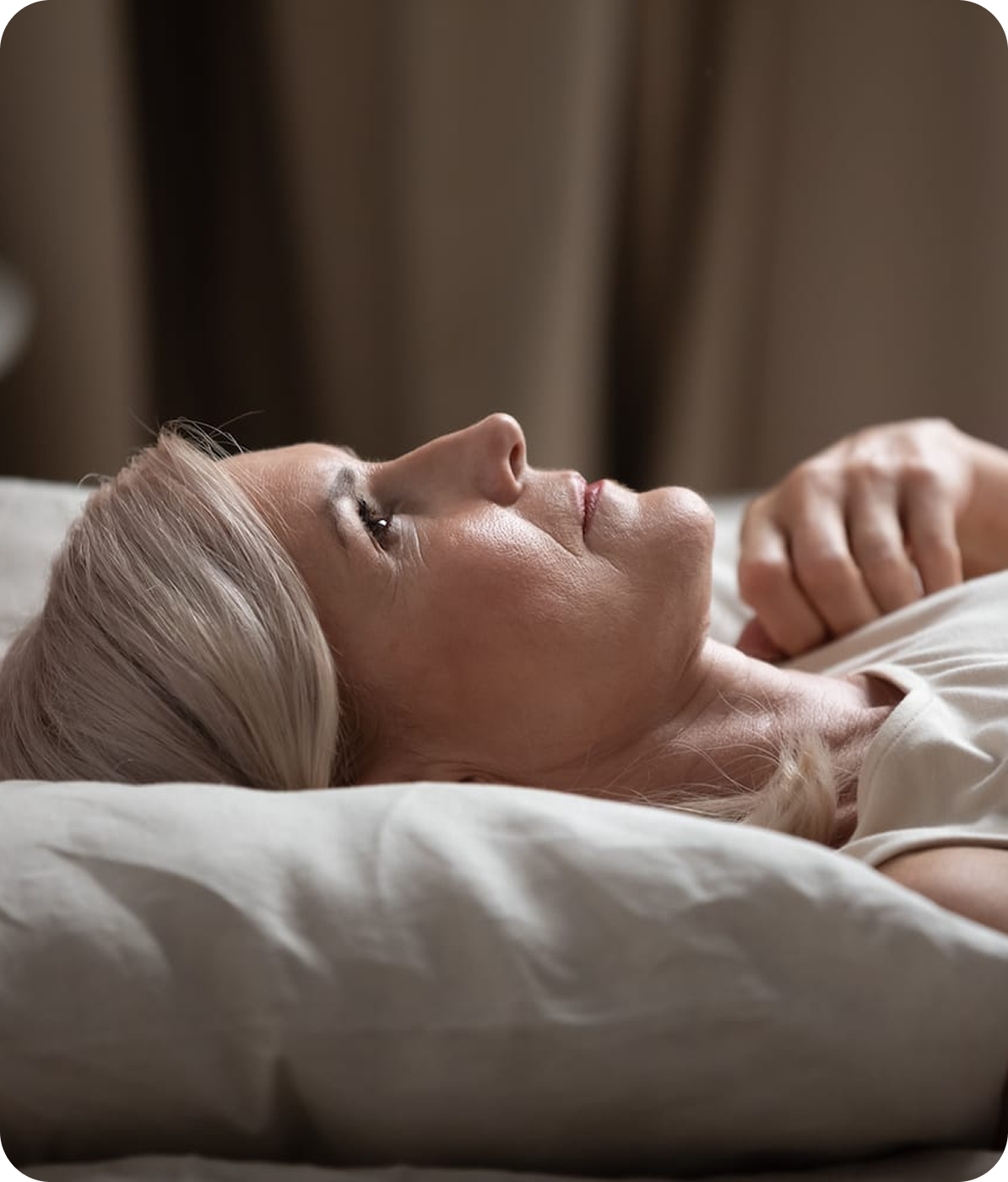
Snoring, morning headaches, dry mouth, poor concentration, and daytime fatigue can affect far more than sleep. They can also be signs that deserve medical attention.
Dental Wellness Arts helps you understand the dental options after appropriate screening and diagnosis. We coordinate with medical providers so convenience never replaces the level of care your condition requires.
Obstructive sleep apnea requires a medical diagnosis. CPAP remains the most effective first-line therapy for many adults. A custom oral appliance or NightLase may be considered for selected patients after the severity, anatomy, health risks, and treatment goals are understood.

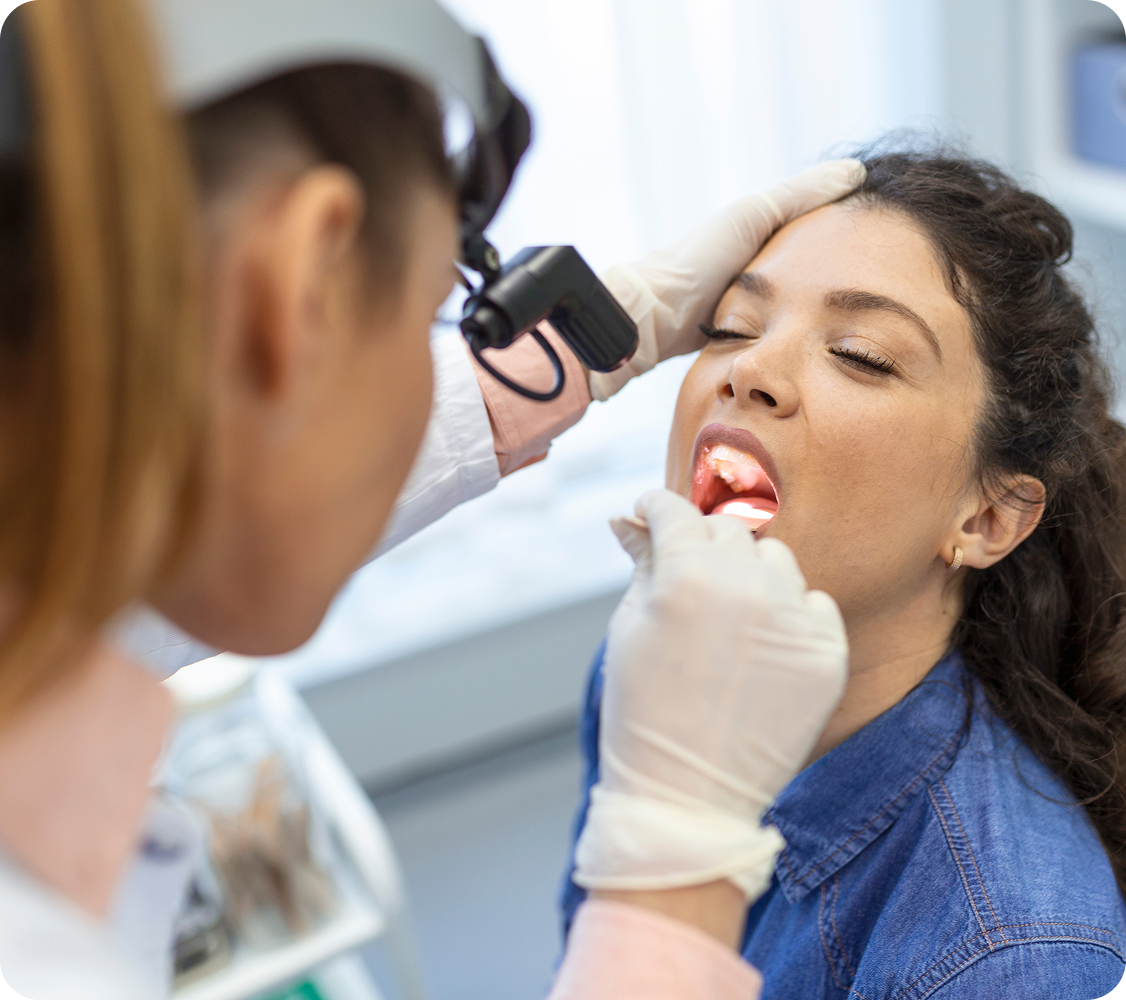
We screen for risk, examine the mouth and jaw, and look for factors that may affect appliance fit or airway space. If you do not already have a diagnosis, we help direct you to a qualified medical provider for sleep testing and interpretation.

A custom mandibular-advancement appliance holds the lower jaw forward during sleep to help keep the airway open. It requires healthy enough teeth and joints, careful fitting, and follow-up testing to confirm effectiveness.
NightLase uses an Er:YAG laser protocol intended to tighten selected oral tissues and reduce snoring. Evidence and durability are more limited than for established sleep-apnea treatments. It should not be described as a cure or used to delay medical care.

We review symptoms, medical history, oral health, jaw function, and any existing sleep-study results.
A medical provider establishes the diagnosis and severity and discusses appropriate treatment choices.
If dental therapy is selected, we adjust it carefully and arrange follow-up assessment of symptoms and treatment effectiveness.
Success is not simply less noise. It is a treatment you can use consistently, with objective follow-up when indicated and a plan for long-term monitoring. Untreated sleep apnea can carry important health risks, so the safest path is coordinated care.
Dr. Boyajian and the Dental Wellness Arts team bring an airway-aware dental perspective to treatment comfort while working within the medical boundaries of sleep care. The team screens, coordinates, monitors, and explains the tradeoffs. Results and pace vary, but a coordinated plan offers a clear path forward.


No. A dentist can screen for risk and provide dental therapy, but the medical diagnosis comes from a qualified medical provider.
CPAP generally reduces breathing events more reliably. An appliance can be effective for selected patients, especially when it is used consistently and verified.
No. Results vary, may diminish over time, and do not replace diagnosis or follow-up.
Long-term tooth movement or bite changes can occur. Regular monitoring and morning exercises or devices may help manage them.
Tell your sleep physician. Alternatives may include mask or pressure adjustments, an oral appliance, positional therapy, weight management, surgery, or combined care.
If you have not been tested, begin with a medical sleep evaluation. If you already have results, bring them so the Dental Wellness Arts team can discuss the dental options responsibly.

Advanced Regenerative Dentistry
Westchester's trusted holistic dental practice. Caring for smiles and whole-body health since 2005.


Monday
7am – 3:30pm
Tuesday
7am – 3:30pm
Wednesday
7am – 3:30pm
Thursday
7am – 3:30pm
Friday – Sun
Closed
©2026 All Rights Reserved. Design & Development by Jamie Danae | Sitemap | Privacy Policy | The information available on this website is provided for informational purposes only. This information is not intended to replace a medical consultation where a physician’s judgment may advise you about specific disorders, conditions, and/or treatment options. We hope the information will be useful for you to become more educated about your health care decisions. If you are vision-impaired or have some other impairment covered by the Americans with Disabilities Act or a similar law, and you wish to discuss potential accommodations related to using this website, please contact us at 310-670-6944.